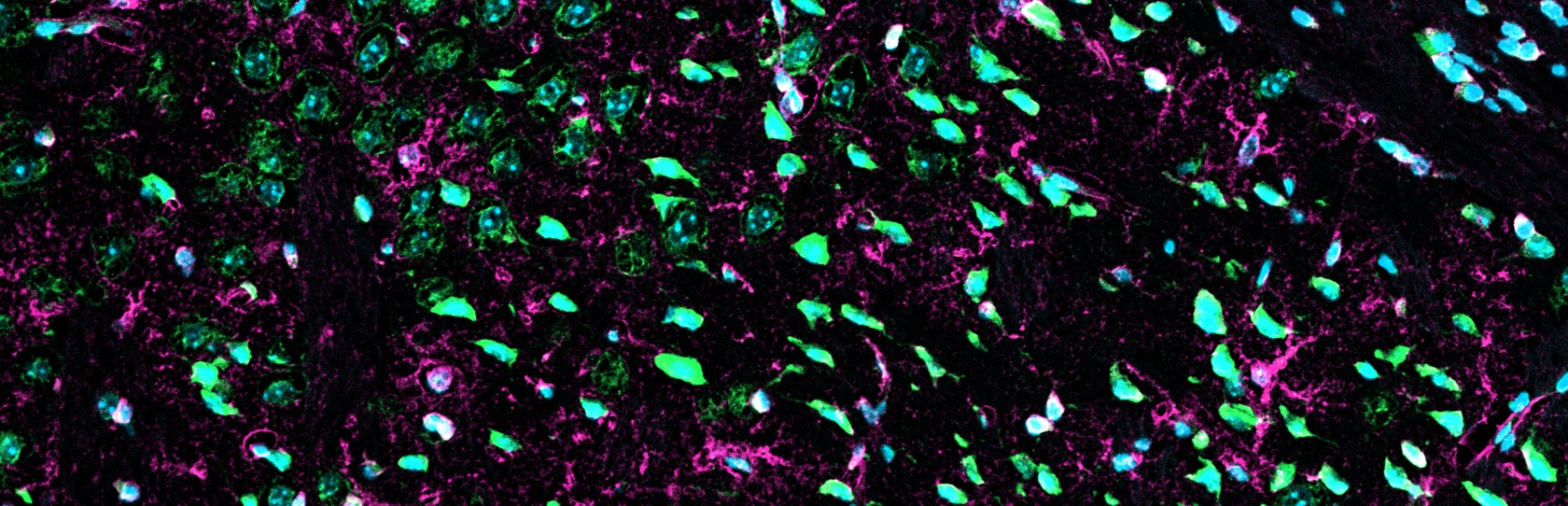
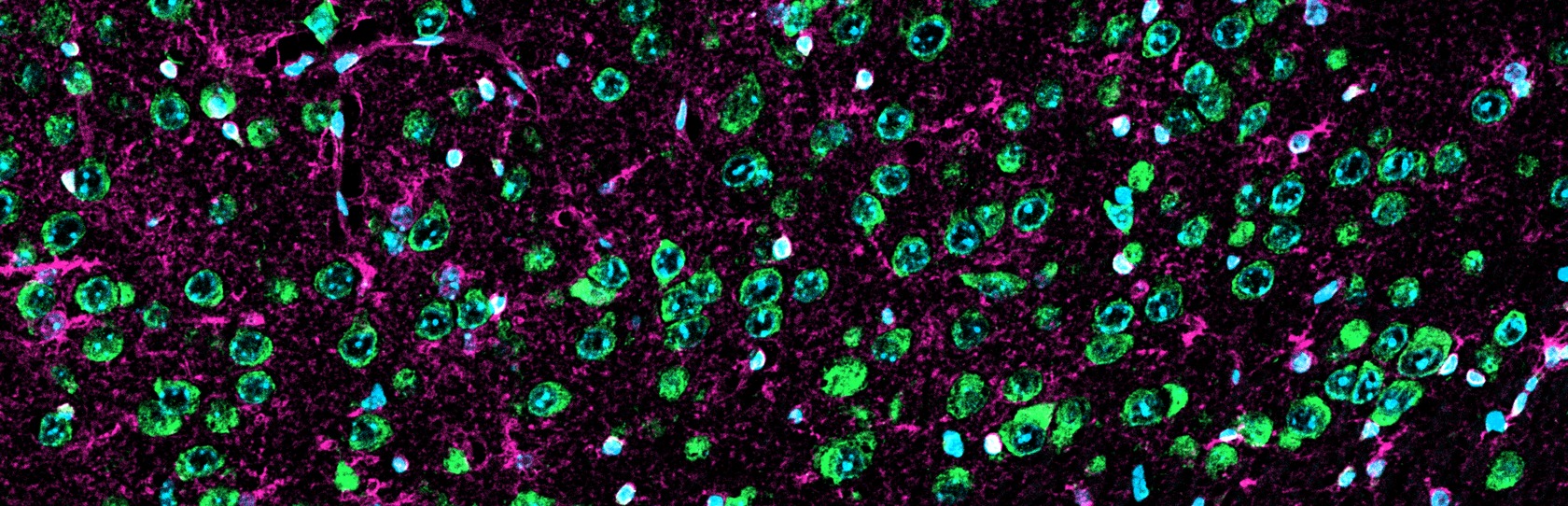
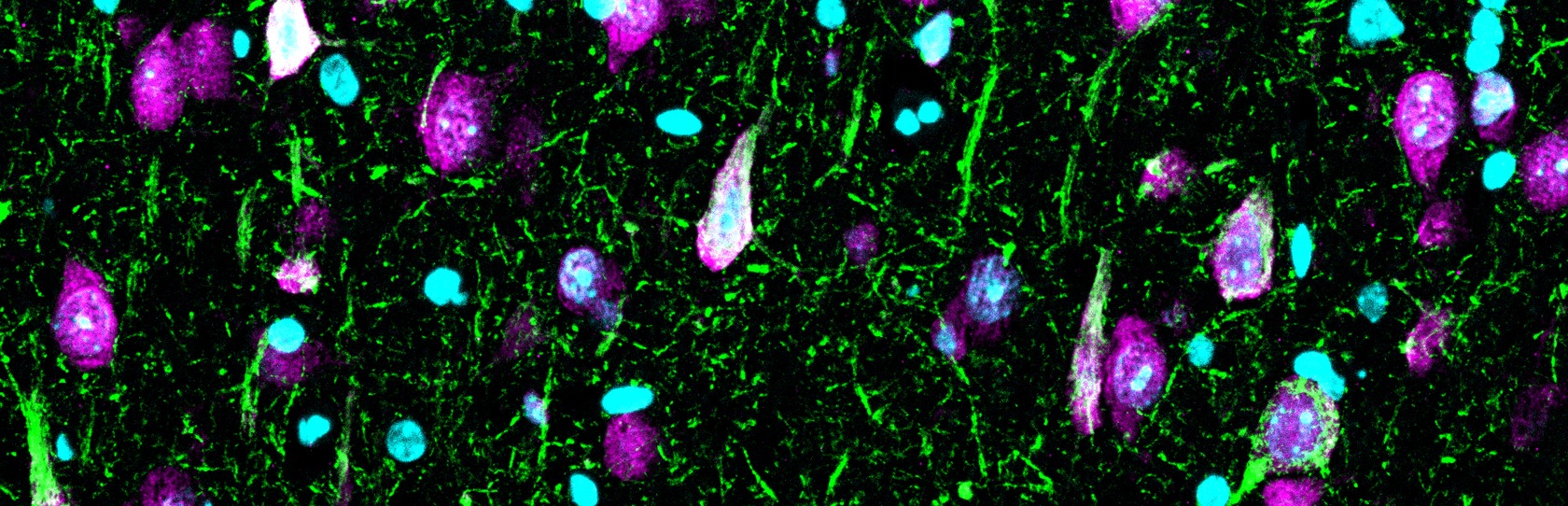
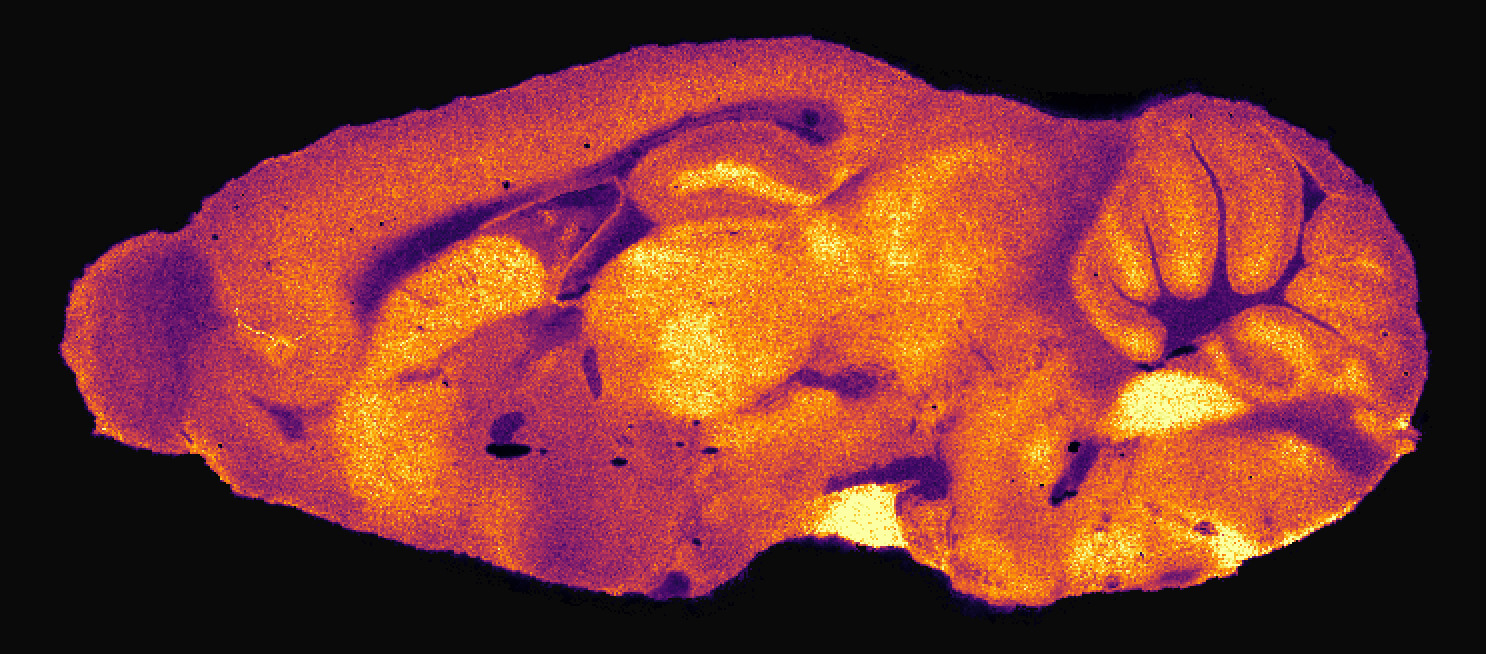
Astrocytes without their main glucose transporter burned glucose more than two-and-a-half times faster, a shift towards higher glucose metabolism.
Thieren et al., Nat Commun 2025 After an experimental stroke, injury volumes were about forty percent smaller when astrocytes lacked their main glucose transporter.
Thieren et al., Nat Commun 2025 In the zone surrounding the infarct, astrocytes lacking the transporter were less ramified, hinting at a dampened reactive response.
Thieren et al., Nat Commun 2025 Oligodendrocytes sense fast axonal firing chiefly through the potassium active axons release; glutamate contributes only modestly.
Looser et al., Nat Neurosci 2024 During fast firing, lactate rises inside axons; blocking the potassium channel through which oligodendrocytes sense firing cuts that rise by forty percent.
Looser et al., Nat Neurosci 2024 Without the oligodendrocyte potassium channel, axons take up and burn about forty percent less glucose, at rest and during activity.
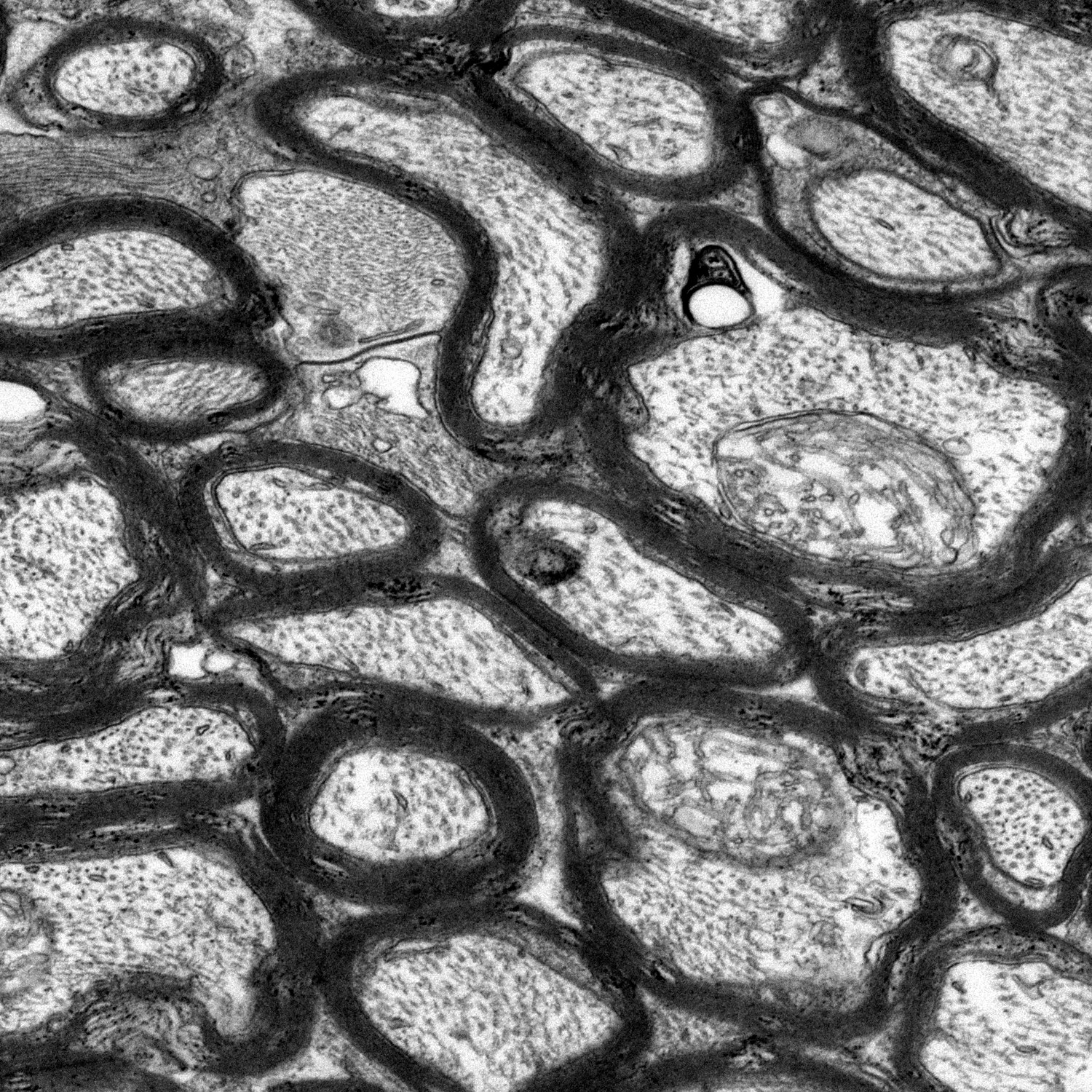
Looser et al., Nat Neurosci 2024 By seven to eight months, axons whose oligodendrocytes lack the potassium channel show degeneration and giant swellings, without noticeable myelin changes.
Looser et al., Nat Neurosci 2024 Across cortex, hippocampus, midbrain, thalamus and hypothalamus, all but three of more than eighteen hundred astrocytes touched a blood vessel directly.
Hösli et al., Cell Rep 2022 Only in the hippocampus, the least vascularised region examined, did a few astrocytes lack apparent vascular contact: about three in a hundred.
Hösli et al., Cell Rep 2022 Breaking the astrocyte network in the adult brain weakens hippocampal synaptic plasticity and abolishes spatial learning and memory.
Hösli et al., Cell Rep 2022 Within seconds of arousal, lactate drops inside cortical astrocytes while extracellular lactate rises, pointing to release from astrocytes.
Zuend et al., Nat Metab 2020 When the brain is depleted of glycogen, the arousal-evoked lactate surges shrink, pointing to glycogen as a source of that lactate.
Zuend et al., Nat Metab 2020 Networks of coupled astrocytes connect certain brain regions and leave others out, rather than spreading indiscriminately through the brain.
Cooper et al., Nature 2026 Prolonged sensory deprivation shrinks the corresponding cortical astrocyte network and largely removes its long-range connection to prefrontal cortex.
Cooper et al., Nature 2026 Astrocyte networks directly link brain regions that neurons do not connect, suggesting a channel of communication outside the neuronal connectome.
Cooper et al., Nature 2026 After one capillary endothelial cell is lost, its neighbours extend toward each other and restore blood flow within one to two days.
Condrau et al., Neuron 2026 Capillary endothelial cells close the gap themselves, without help from glia or the cells wrapped around the vessel wall.
Condrau et al., Neuron 2026 Hippocampal capillaries repair more slowly and less efficiently than cortical ones, a regional difference that could shape resilience to injury and disease.
Condrau et al., Neuron 2026 In isolated optic nerves deprived of glucose for a day, nearly all oligodendrocytes survived while more than seventy percent of astrocytes died.
Asadollahi et al., Nat Neurosci 2024 Raised kynurenic acid quietened one class of inhibitory interneurons and released pyramidal cells from their inhibition, sparing a second class.
Beilmann et al., Nat Commun 2026 A rise in extracellular potassium, the ion neurons release when they fire, sharply quiets calcium activity in capillary pericytes.
Glück et al., eLife 2021 Brief oxygen deprivation silences capillary pericyte calcium completely while neighbouring astrocytes surge, and capillaries widen by about a tenth.
Glück et al., eLife 2021 Regional differences in glutamate clearance may explain why hyperexcitability disorders like epilepsy and migraine strike some brain areas harder than others.
Romanos et al., Commun Biol 2019